Hardware companies are built differently
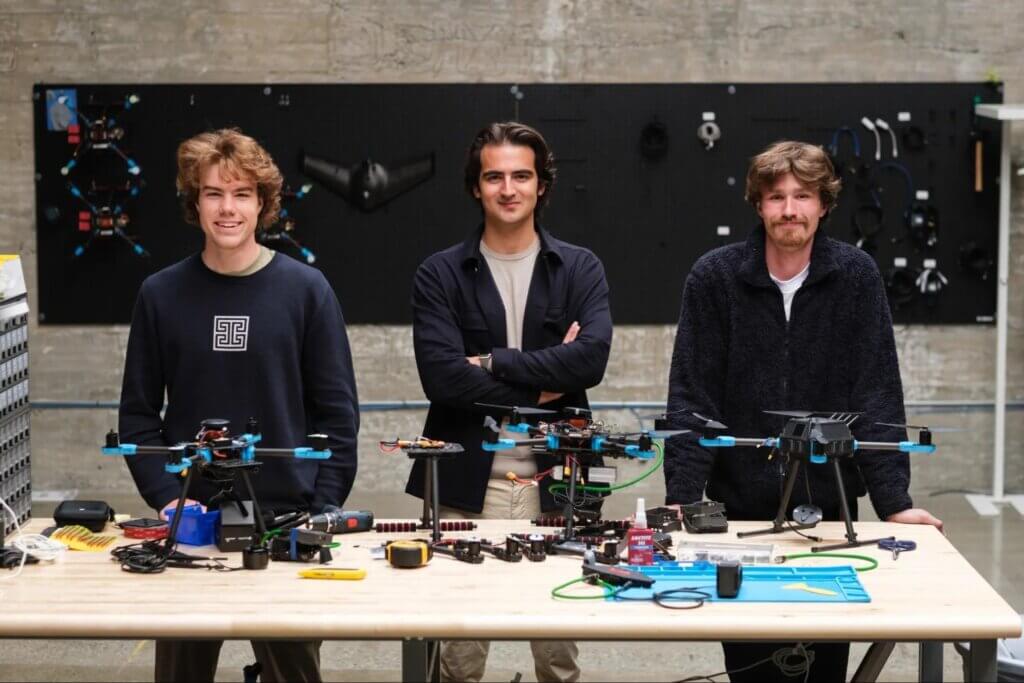
This is Part 2 of a three-part series on hardware as a distinct class of company. Here, we examine how the constraints of the physical world shape how hardware companies grow, operate, and endure.
Considering that hardware founders are a different breed, it’s only natural that the companies they build are different too. The resilience and tenacity that defines these founders is present in the very fabric of the companies, but so are the physical constraints that force efficiency, patience, and creativity.
Most of the friction in hardware doesn’t come from bad ideas or weak teams. It comes from trying to run hardware companies as if they’re software businesses, measured on the same timelines, judged by the same metrics, and pushed toward the same kinds of outcomes. Even when the majority of a company’s product is software, as is the case with our friends at Theseus, pictured above, the inertia of building physical products (and products that work with physical devices) forces a different approach and relationship with time. When that mismatch appears early, it rarely resolves itself. Instead, it compounds. Expectations drift away from reality, founders are pressured into decisions that don’t make sense for physical products, and what could’ve been a durable company tragically collapses under the weight of inappropriate comparisons.
Hardware companies don’t just execute differently — they progress differently. And until we internalize that distinction, we’ll keep misunderstanding what success and failure actually look like in this category.
Hardware companies grow slower, and that’s OK

Minimus balances investor demands with the pace of building a new AR wearable as a startup.
Hardware growth is gated by the physical world. When compared to software development and deployment, it can seem glacial to build and deliver hardware products. But that’s the cost of building something that has a real physical impact on people’s lives.
You can’t ship ten times as many units without securing ten times the components, manufacturing capacity, labor, quality control, and logistics. Capital helps, but it doesn’t eliminate constraints. Even world-class teams can only move as fast as factories, suppliers, ports, and regulatory bodies allow. Progress is real, but it happens upstream of revenue, often months or years before it becomes visible on a chart.
Tesla’s early years illustrate this better than almost any modern example. Long before “production hell” entered the cultural lexicon, the company missed targets again and again, not because it lacked ambition or engineering talent, but because building electric vehicles at scale turned out to be far harder than designing them. From the outside, it looked like an execution failure. From the inside, it was the unavoidable cost of doing something unprecedented in the physical world.
This is where software expectations start to distort judgment. In hardware, a year spent qualifying suppliers, improving yields, or reworking a manufacturing process may look like stagnation to an outsider. In reality, it’s often the most important year in the company’s life. Growth is happening, but it just hasn’t surfaced yet.
Hardware companies become operations companies early

Getting your product to customers and supporting their experience is 80% of the job.
In hardware, execution isn’t a phase — it’s the product.
Supplier relationships, manufacturing quality, yield management, logistics, forecasting, and compliance all matter as much as vision or design. A great idea paired with weak operations doesn’t fail loudly — it quietly becomes unviable. Margins erode, delivery slips, customer trust degrades, and eventually the business collapses under its own inefficiencies.
Apple is the canonical example, but it’s also frequently misunderstood. Its real competitive advantage isn’t taste or branding, it’s operational coordination across one of the most complex supply chains ever assembled. DJI, Anker, and others built similar moats by mastering manufacturing ecosystems and logistics long before competitors realized that’s where the real leverage lived. These companies didn’t just design good product — they built systems that could reliably produce them at scale.
This reality makes people uncomfortable, especially those who want startups to be about ideas alone. But hardware companies don’t win on inspiration — they win on execution. And they’re forced to internalize that truth far earlier than their software counterparts.
Early hardware unit economics look bad before they look good

Inventory piling up, refurbs and repairs, it’s all part of the process.
Early hardware margins are almost always ugly. That’s not a red flag — it’s the baseline.
Low volumes mean higher per-unit costs. Tooling and nonrecurring engineering expenses take time to amortize. Freight is inefficient. Supplier pricing is unfavorable. Returns hurt more than they should. Almost every cost line item is working against you until scale arrives, and scale arrives slowly.
Fitbit’s early years reflected this exact dynamic. The company didn’t start with beautiful margins. They improved over time as manufacturing learning curves kicked in, supply chain leverage increased, and volume unlocked better economics. The path wasn’t smooth or linear, but it was real. Eventually, the unit economics stabilized in a way that software-style models rarely anticipate.
This is where traditional VC math often strains. Hardware margins don’t explode overnight. They improve gradually, then hold. The curve bends later, but when it bends, it tends to stay bent. The mistake is expecting SaaS-like trajectories from businesses governed by entirely different physics.
Hardware risks live on the balance sheet

Risk abounds in hardware, from product development to shipping from your factory.
In software, risk is mostly theoretical. In hardware, it’s tangible.
Risk shows up as inventory: components ordered too early, products stuck in transit, finished goods sitting in warehouses waiting for demand that didn’t materialize. Cash gets trapped in physical form, and mistakes linger far longer than a bad deploy or a rolled-back feature ever could.
Peloton’s pandemic-era whiplash is a vivid example. Demand surged, production ramped, and capital flowed in. But when consumer behavior shifted faster than factories could unwind, the consequences were immediate and severe. Warehouses filled. Cash was locked up. The company wasn’t just dealing with a narrative problem, it was dealing with pallets and leases and depreciation.
This is why experienced hardware companies learn to respect demand signals early and deeply. Optimism is expensive when it’s boxed, labeled, and sitting on a loading dock. Discipline isn’t optional in hardware — it’s a survival trait.
Hardware companies can’t pivot easily, forcing discipline
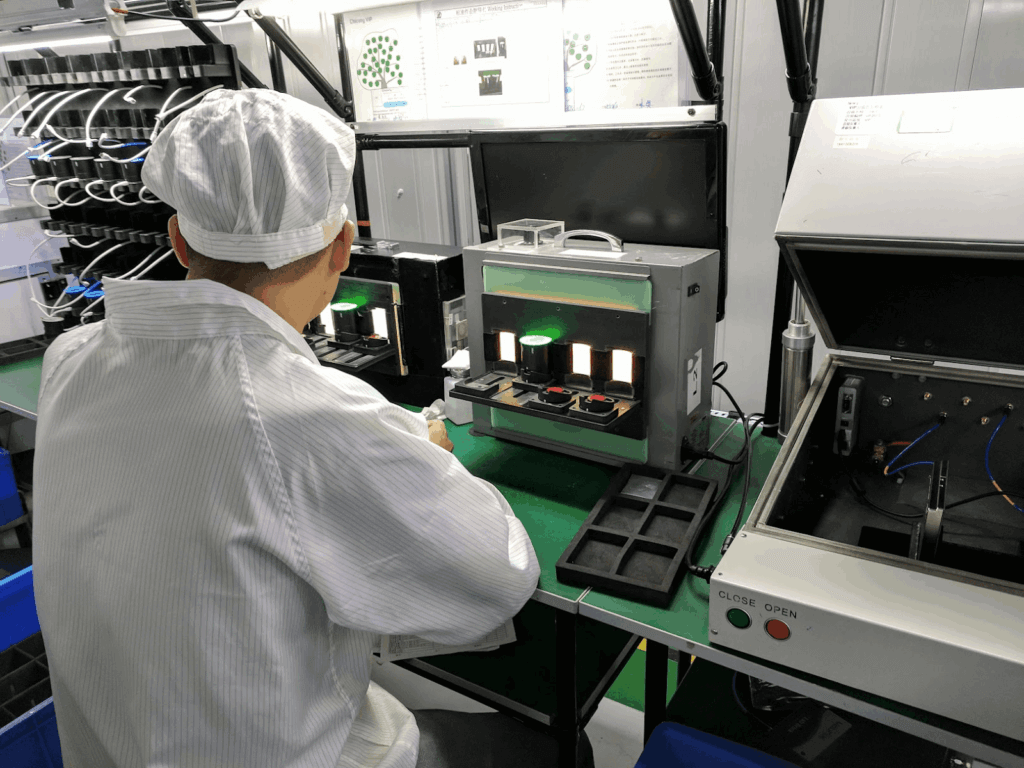
Once you commit to tooling, it’s hard to turn back. Test test test!
Pivoting is celebrated in software. In hardware, it’s usually catastrophic.
Once you’ve invested in tooling, certifications, regulatory approvals, and manufacturing relationships, changing direction is slow, costly, and sometimes impossible. Decisions matter more because they persist. Every early choice carries inertia.
Nest understood this. Rather than sprawling into multiple categories too early, the company focused obsessively on a narrow product line and exceptional execution. That restraint wasn’t a lack of ambition, it was a recognition of reality. By earning trust, scale, and operational competence in one domain first, Nest created the foundation that later expansion required.
Hardware companies don’t get unlimited experiments. They get fewer shots, and those shots are expensive. The upside is that this constraint forces clarity. Teams learn to prioritize ruthlessly, commit fully, and avoid the distraction of half-baked ideas.
Hardware companies age differently
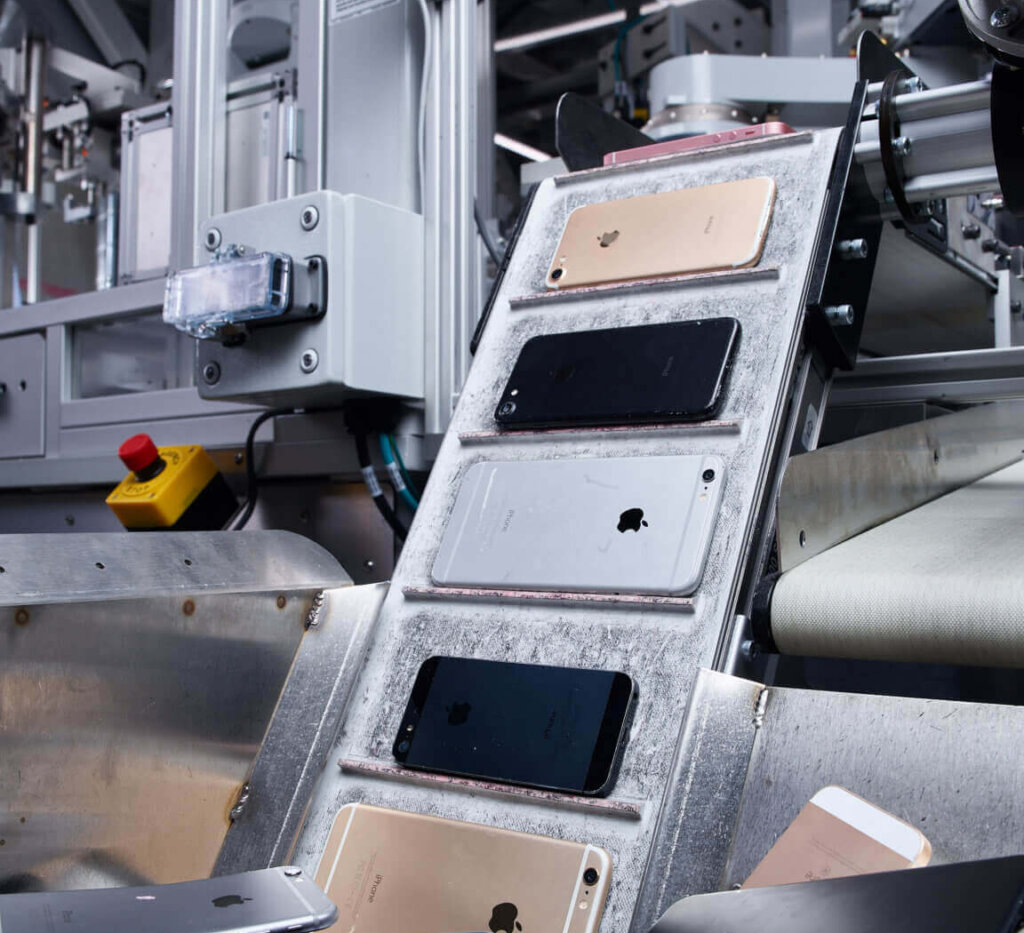
Physical products take time to make, pay off, and recycle.
Many great hardware companies look unremarkable for a long time.
They don’t spike. They compound. Manufacturing expertise, regulatory approvals, supplier trust, and distribution networks accumulate quietly, year after year. These advantages don’t show up clearly on growth charts, but they become nearly impossible to replicate once established.
Medtronic, Bosch, and other industrial and medical hardware giants spent decades building capabilities that competitors still struggle to match. Even newer companies like SpaceX endured years of public failure before operational dominance became obvious. By the time success was visible, the real work had already been done.
When hardware companies work, they tend to endure. Their value isn’t fleeting — it’s structural.
What this way of thinking sets up
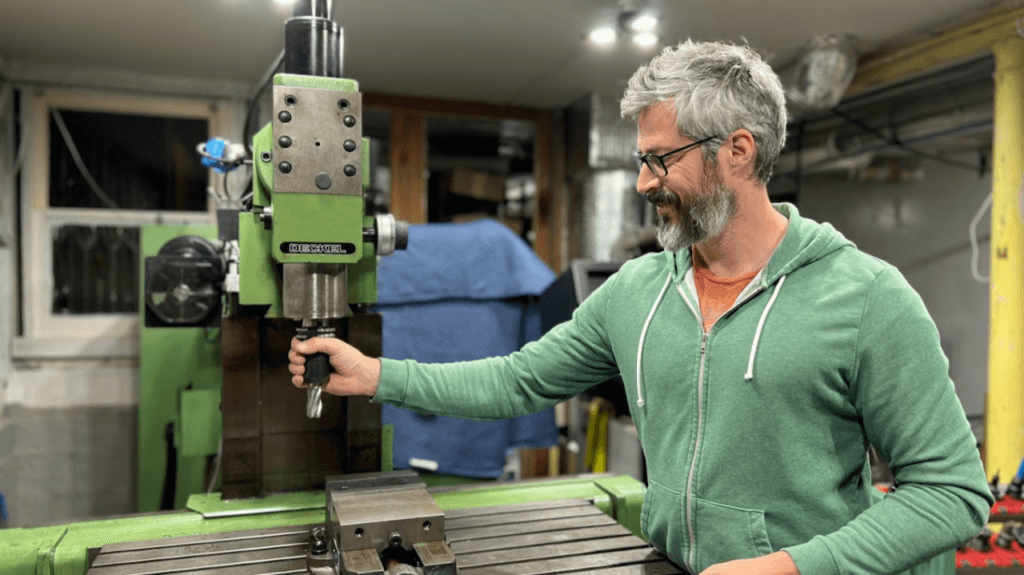
Former Google software engineer Istvan Csapo switched gears to hardware by starting Tinker Labs, a microfactory focused on local, accessible manufacturing.
The mistake isn’t building hardware companies. It’s evaluating them as if they’re software. When we apply software timelines, margin expectations, and growth curves to hardware businesses, we misread progress and push founders toward decisions that don’t make sense for the work they’re doing. We confuse patience for weakness and discipline for stagnation. The result is fewer companies willing to try.
If hardware companies grow differently, carry risk differently, and compound value over longer timelines, then the way we invest in them should look different too.
That’s where this series goes next. Stay tuned for Part 3.
informal is a freelance collective for the most talented independent professionals in hardware and hardtech. Whether you’re looking for a single contractor, a full-time employee, or an entire team of professionals to work on everything from product development to go-to-market, informal has the perfect collection of people for the job.