How Resonant Link Medical’s wireless chargers are changing the landscape
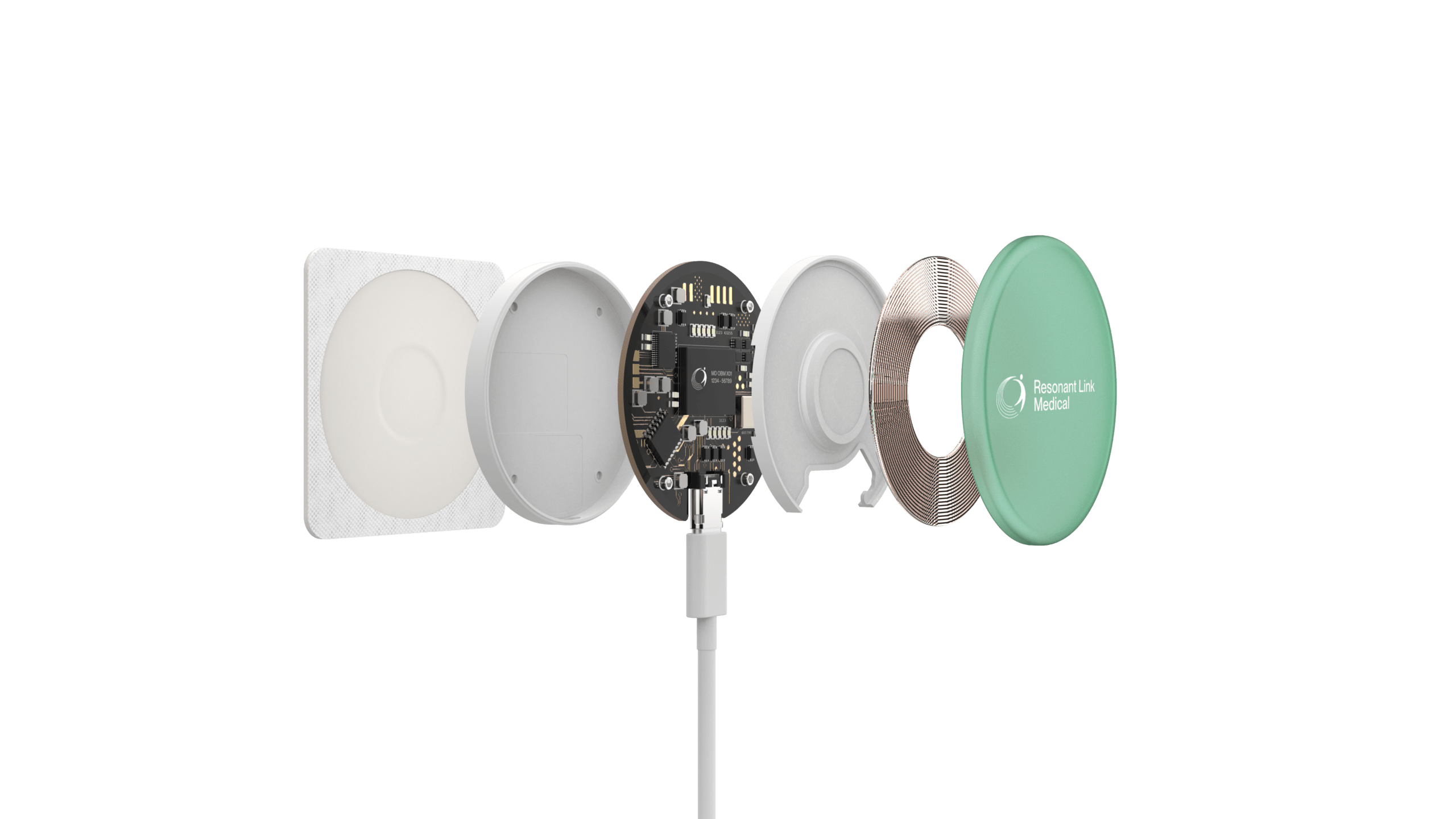
Resonant Link Medical is solving the fundamental challenge of powering implantable medical devices safely, reliably, and conveniently to deliver more effective and convenient treatments for people living with health conditions such as chronic pain, epilepsy, depression, sleep apnea, and heart failure. The innovative medtech company is redefining wireless power and data transfer for implantable medical devices to help people get well and stay well. They’re also a valued informal client.
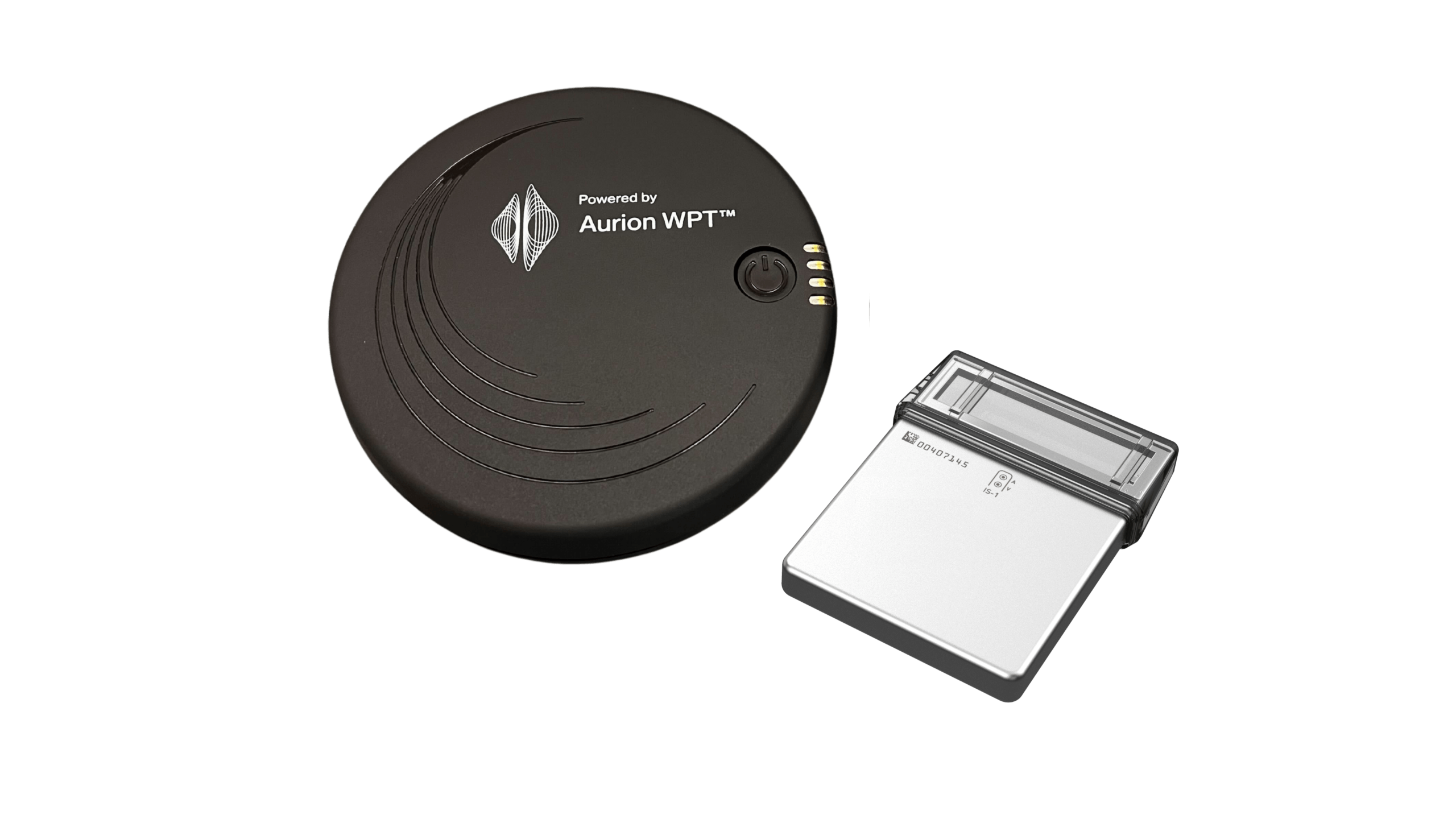
Resonant Link Medical’s technology platform Aurion WPT delivers uninterrupted wireless power that’s up to 10x faster than conventional wireless with over a 2x greater range, enabling the next generation of implantables — smaller, smarter, longer lasting, and easy to use.
We connected with Rachel Allard, their VP of Marketing, to learn more.
Most of us charge our phones wirelessly without thinking twice — but doing that inside a human body is a completely different challenge. What does it actually take to make that work safely?
When you charge your phone wirelessly, there’s very little at stake if something goes wrong — you just plug it in instead. But when the device being powered is inside someone’s body, keeping them healthy and comfortable, the margin for error is essentially zero. The human body is an incredibly complex environment. You’re working across different types of tissue like muscle, as well as fat, fluid, and varying distances — and you have to do all of it without generating heat or causing any interference with the body itself.
On top of the engineering challenge, everything has to meet rigorous safety standards and be so easy to use that people who need to use it can almost forget they have to. What we’ve built with Aurion WPT is a wireless power and data platform that solves all of those constraints simultaneously — delivering power that’s faster, reaches further, and works reliably no matter the device or the patient. It took years of foundational research to get here, but that’s what makes it so exciting. We didn’t just make wireless charging work inside the body — we made it work better than anything that existed before.
The Aurion WPT platform has been designed into more than 50 implantable device types, including ventricular assist devices, neurostimulators, brain-computer interfaces, and diagnostic devices.
You’ve essentially built a power platform that works across different medical devices. When did you realize you were building something much bigger than one product?
Early on, we knew we had a unique technology, and it wasn’t long before we knew we had a strong platform opportunity, too. From there, it was a matter of developing our platform, validating that we had strong platform-market fit, and leveraging our platform to create a product portfolio to meet our customers’ needs.
Resonant Link Medical started as a division within a larger company called Resonant Link Inc., which produced wireless charging products ranging from 20 mW to 20 kW in power, a one million times order of magnitude difference, all powered by the same core technology.
By the time the medical division was spun out into a standalone company, we’d already worked with dozens of device developers across completely different therapeutic areas with similar core problems. A team working on a ventricular-assist device and a team building a brain-computer interface both needed the same thing: reliable, safe, high-performance wireless power that existing solutions simply couldn’t deliver.
When you start seeing that pattern repeat across neurology, cardiology, diagnostics, and beyond, you realize you’re not building a product — you’re building infrastructure. That’s what formed the foundation of our Aurion WPT platform, and we’ve only continued to build on it from those early days.
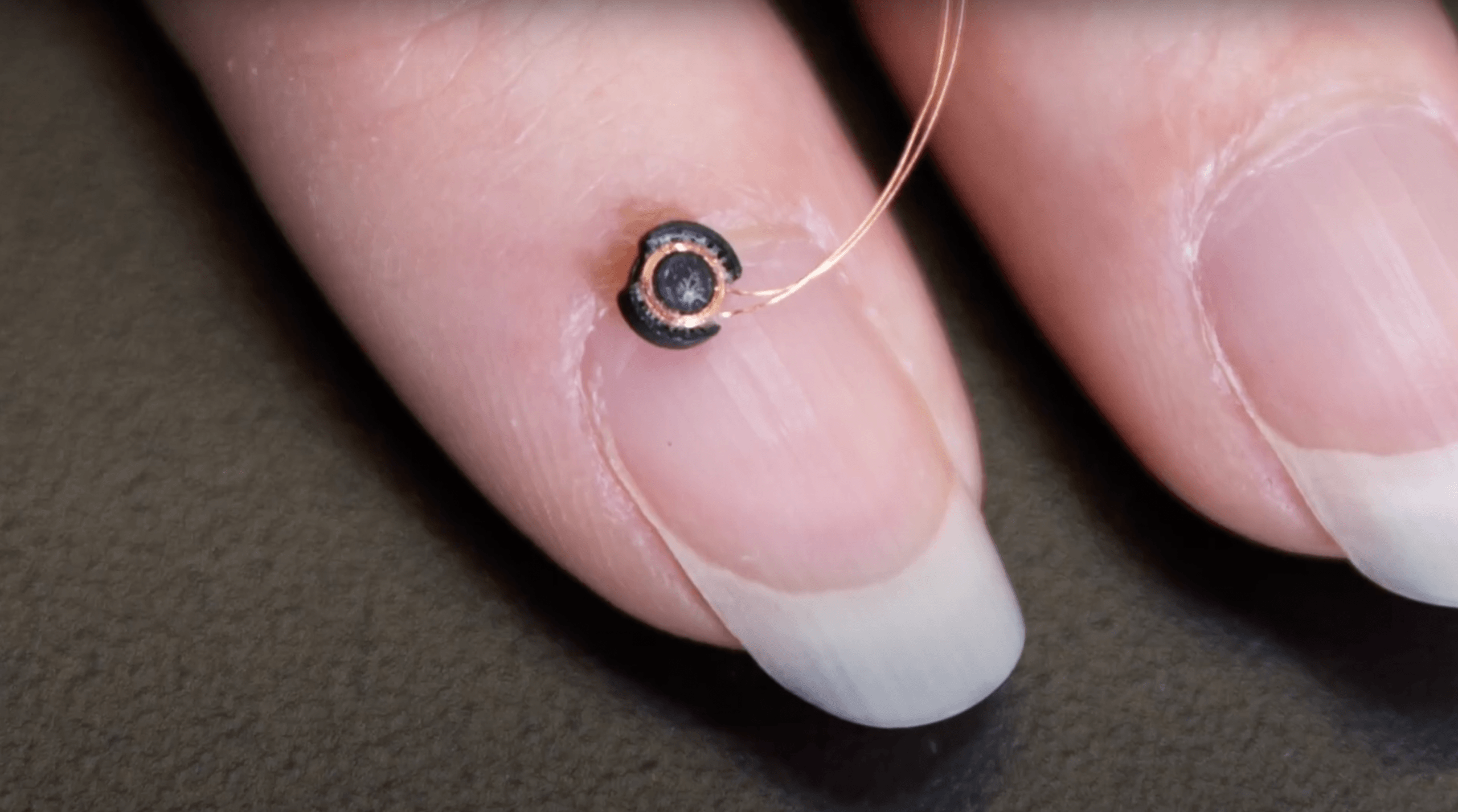
Lura Health, the developers of the first salivary diagnostic wearable sensor, has a partnership with Resident Link Medical. Tell us about that product and partnership: Were there any challenges particularly unique to this device?
Lura Health is doing something genuinely groundbreaking — they’ve developed the first wearable sensor that continuously monitors biomarkers in saliva, which opens up a whole new window into real-time health data. The opportunity is to rethink preventative care, to allow for biomarker monitoring to replace traditional diagnostic and point-of-care testing like blood tests, specifically for people at higher risk of certain conditions and potentially for broader populations.
So the opportunity to improve access to care and enable earlier intervention is really tremendous. Think of the benefits for folks who can’t access health centers, like those who live in rural areas, and others who are afraid of needles.
For us, the partnership with Lura Health was a natural fit, not solely because of the groundbreaking nature of their mission, though that is incredibly impactful, but because their device needed ultra-small wireless power that could keep up with continuous sensing without being intrusive or requiring frequent recharging.
What made this collaboration particularly unique was the form factor. A device that lives in or near the mouth has very specific constraints around size, comfort, and proximity to sensitive tissue. It pushed our team to think creatively about how to deliver power reliably in a context that’s quite different from a device implanted deeper in the body. That’s what I love about the diversity of our partnerships — every new device teaches us something, and each solution we develop makes the platform stronger for everyone who comes after.
Of the 50+ medical devices into which you’ve designed your wireless technology, is there one that stands out to you most?
There are so many partnerships I’m proud of, but if I had to choose one that stands out right now, I’d cite our partnership with Paradromics. Paradromics’ Connexus BCI is a fully implantable brain-computer interface that restores communication for people with severe paralysis by recording and translating massive amounts of data in the brain into synthesized speech, text, or computer control in real time. It has demonstrated the highest reported data rate for BCIs and one that surpasses the linguistic information content of human speech. They’re also the first company cleared by the FDA to start human trials for speech restoration with a fully implantable BCI.
Our partnership is especially significant because the Connexus system is powered entirely through inductive charging from an external wearable transceiver. Wireless power transfer isn’t a feature — it’s the lifeline of the entire implant. The implant doesn’t have a battery, and this would’ve been unheard of before Resonant Link Medical’s technology, given its high-data-rate functionality and power needs. Resonant Link Medical’s Aurion WPT platform delivers wireless power continuously to the Paradromics implant, making it a natural fit for the always-on, high-reliability demands of their BCI.
Of the health conditions that you work to address, where do you see the most opportunity for growth? Or is there a device category that doesn’t exist yet, but could in the near future?
All of the conditions we work across represent real unmet need, but if I had to point to where I see the most exciting opportunity, it’s at the intersection of neurology and mental health. Conditions like depression and epilepsy have historically been difficult to treat because we’ve lacked the tools to intervene precisely and continuously. Precision neuromodulation is changing that — and as devices become smaller, smarter, and more capable of adapting in real time to what’s happening in a patient’s body, we’re going to see treatments that simply weren’t possible before.
What really excites me is the category of closed-loop devices — implantables that don’t just deliver therapy on a fixed schedule, but sense, learn, and respond continuously and focally. For years, technologies claiming to be closed-loop for years haven’t truly delivered on the promise of closed-loop. The missing piece hasn’t been scientific ambition; it’s been infrastructure, specifically, the inability to continuously power a smart, sensing implant wirelessly without the device becoming too large, too hot, or too power-hungry to live where it needs to inside the body.
What’s different now is that several technologies have matured simultaneously — AI capable of decoding complex neural signals in milliseconds, miniaturized electronics for data processing, and next-generation wireless power and data transfer to deliver fast, efficient, continuous energy to millimeter-scale devices deep in the body. For the first time, all the ingredients for truly closed-loop implantable therapy exist at once — and the companies building the next generation of devices are partnering with us to put them together.

What has it been like to work with informal over the years. Is there a particular project or challenge that comes up when you think, “Let me get Sam on the line”?
Working with informal has always felt like a genuine partnership rather than a vendor relationship — and that’s rare. What I value most is that Sam [Holland] and the team deeply understand what we’re building and why it matters, as well as what stage we are as a company and how that impacts how we’re operating today.
They meet us where we are — bringing creativity and care to everything they touch and truly making our team better with every project we work on together. Where I’ve seen informal shine most is when we’re trying to demonstrate something technically complex in a way that feels human and accessible — whether that’s for a product launch, an investor demonstration, or a customer project.
Informal understands the level of fit, finish, and capability needed for different types of jobs and how to balance that with other factors like cost and timeline, and Sam and the team are straightforward about decisions and trade-offs. We have deep trust that’s been built over time, and that makes all the difference in our ability to just throw ideas out there, question assumptions or decisions if they don’t seem to match agreed upon goals, and be confident in the high quality of deliverables we’re going to get.
informal is a freelance collective for the most talented independent professionals in hardware and hardtech. Whether you’re looking for a single contractor, a full-time employee, or an entire team of professionals to work on everything from product development to go-to-market, informal has the perfect collection of people for the job.