What last year’s trends tell us about 2026
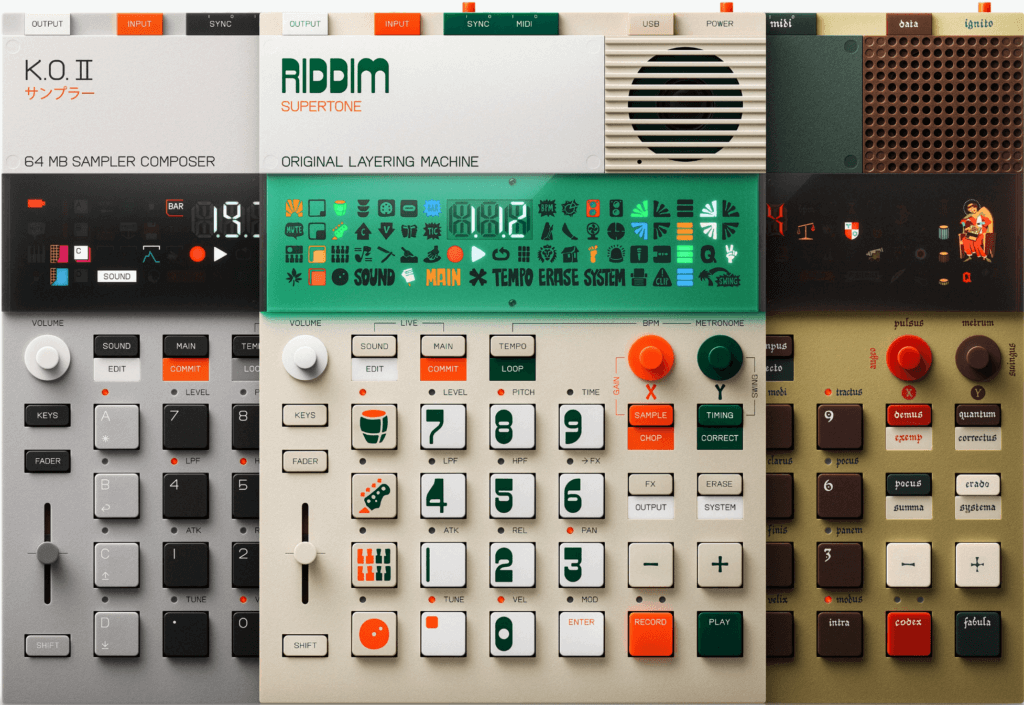
The EP Series from Teenage Engineering.
That was a hell of a year for hardware! Nate and I started off thinking 2025 was truly going to be a doozy — tariffs and all — but folks seemed to shake off the uncertainty and pursue their vision of creating cool hardware products. Nate provided an excellent summary of informal’s growth and focus over the last year, so let’s chat hardware trends and what we expect to see coming up for 2026.
2025: When software developers said “screw it” to making yet another app
We’ve seen the writing on the wall about this moment for a while now, but 2025 was the year we saw major shifts from digital products back to physical. For years, apps were king. Now, anything that could be done on a phone has been done, and we’re learning more and more about the addictive nature of these devices. People are buying dumb phones to curb their internet usage, digital cameras are on the rise again, and screenless toys are all the rage. People want less touchscreens — and I love that.
Phones are the “everything machine” but only have one way to interact with them — which means all your interactions are limited to these little screens you can tap, poke, or swipe. Nothing beats a “sweet knob” however, and companies like Teenage Engineering have been branching out to create beautiful hardware products that aren’t just sleek and minimal slabs of glass like we’ve seen from Apple. We’re talking pops of color, cool knobs and dials and levers, and playful things you want to touch and use. Yes, please.
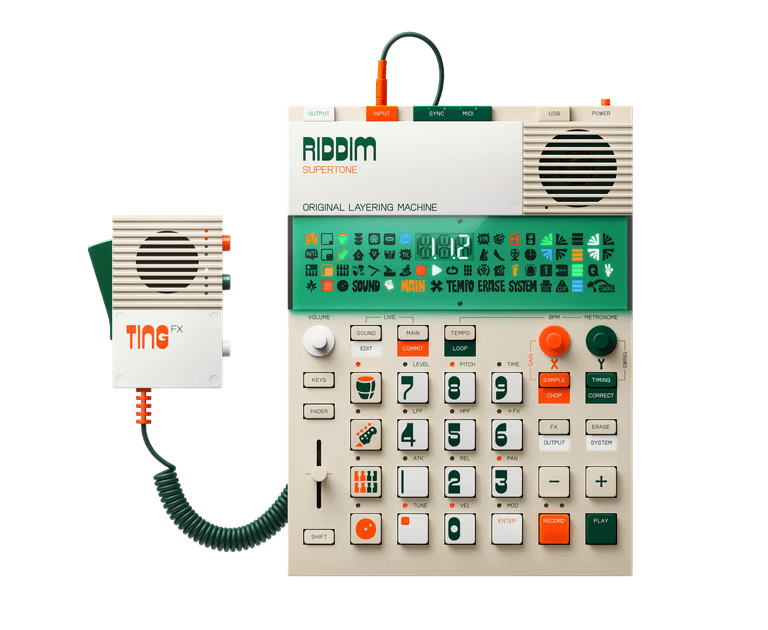
This is 100 times cooler than a phone app (source: Teenage Engineering).
In 2025, we began to notice a massive uptick in clients with software backgrounds who wanted to create hardware products. I attribute this to a sense of burnout of making yet another app, and the desire to create unique form factors and physical ways to interact with the code they’re already great at developing. We saw this manifest in toilet cameras, wearable AI assistants, passive displays, kids toys, and more!
One of my many jobs at informal is to act as a guide through the chaotic world of hardware, and I found myself interacting with more software folks than ever before. Software is a fast-paced world of development with agile frameworks, two-week sprints, and a mentality of build and patch later. This doesn’t work well in hardware, and I found myself writing more and more guides to help make the jump to the physical world. It was exciting to work with people who have fundamentally different expectations on how fast they can move, and to try and accelerate our development pace without compromising on quality.
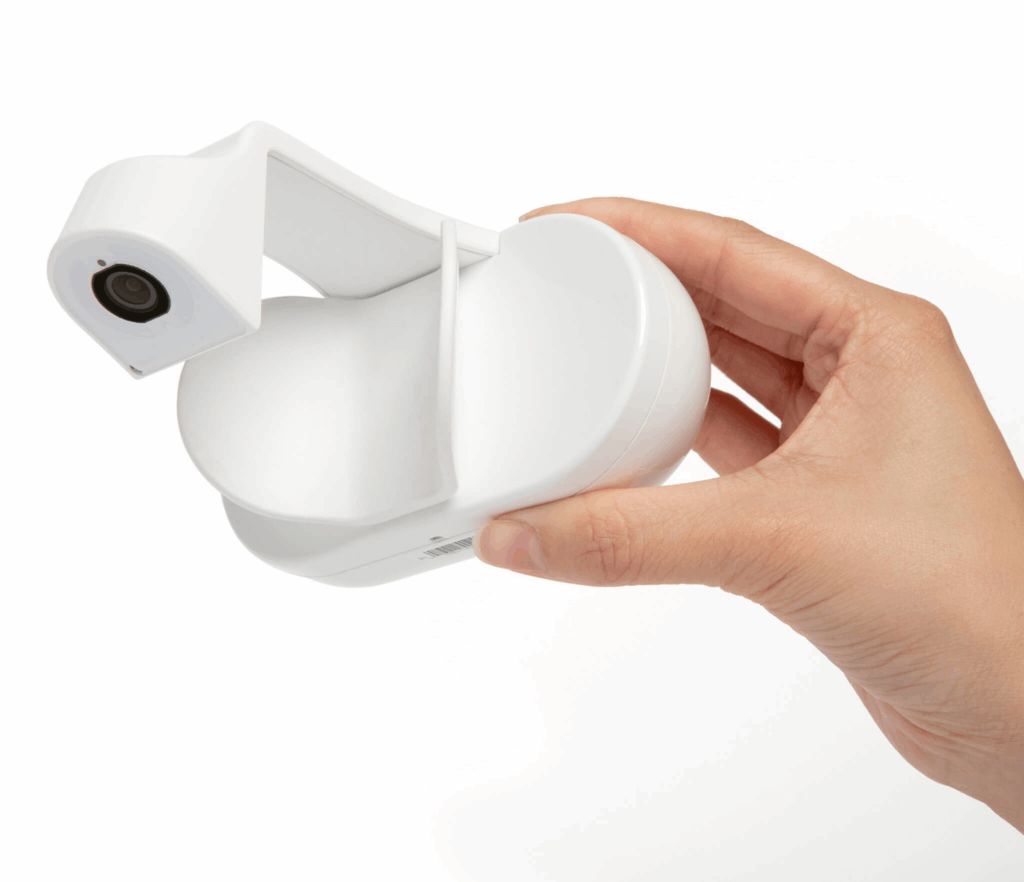
One of my favorite projects of 2025 is Throne Science’s “Whoop for your Poop” Throne One toilet camera (source: Throne Science).
The rise of new software for hardware
We also noticed many software developers identifying that the tools used in the hardware design process haven’t received the same amount of attention that software design tools have in the past few years. I’ll rant and rave about Onshape and Bambu labs for years to come, don’t get me wrong, but compared to the software development world, we’re not getting much. In the second half of 2025, I was receiving requests to beta test or review new tools every few weeks. I’m a bad candidate for this role for many reasons, but mostly due to my debilitating allergy to Software as a Service (SaaS) creeping into everything around us.
For those looking to make a quick buck slapping some AI interface onto the hardware development process, I would please please please recommend you spend time working and interacting with engineers in this field to ensure what you’re creating will be accepted by us grumpy weirdos. We don’t like change, and we don’t trust outsiders. It sucks, but it seems to be a common trait.
More grumbles about AI
I know AI is coming to try and “simplify our lives,” but I think our industry is safe for the time being. Vibe coding is a great way to prove out a prototype, but remains to be a very sketchy way to create production firmware. Similarly, I have yet to see an AI-generated PCBA that isn’t like a simple hat for a Raspberry Pi. As a mechanical engineer, I’m also feeling pretty confident that what we do is complex and weird enough that it’s going to be hard to train a bot to do better than we can.
AI is being used in the concept-generation process for industrial design, which is great, but it still takes a talented designer to balance what can be made and what is beautiful. I may look back at this paragraph a few years from now as I lie in one of those fancy fainting couches with a robot feeding me grapes and think I was a naive little idiot, but probs not.
One thing I haven’t loved about AI is the absolute slop it can create for Product Requirement Documents (PRDs). I’ve received many project briefs this year that are far too long, hyper prescriptive, redundant, or contradictory. Some have even included code snippets! I get it — It’s exciting to chat with an AI bot who thinks your idea is rad, and it’s amazing that they can help brainstorm ideas and move you along in the process. However, read the document before sharing it with people, please! If you don’t understand something, it’s probably because it’s slop. We’re happy to help create PRDs that are grounded in reality. We do it often!
My prediction for 2026
We’ve seen more and more products enter the wellness space over the last few years, and I think we’ll see far more in 2026. Less “quantified self” devices like Fitbit step trackers, but more products telling you about your sleep quality. Murky things that require sensor fusion, black magic, or some other fancy stuff. We’re seeing these devices come in many form factors and attach to things like toilet bowls, ear cuffs, and patches on your neck — and I love to see more innovation here aside from rings, watches, and glasses. I expect to see literally dozens more wearable AI devices this year.
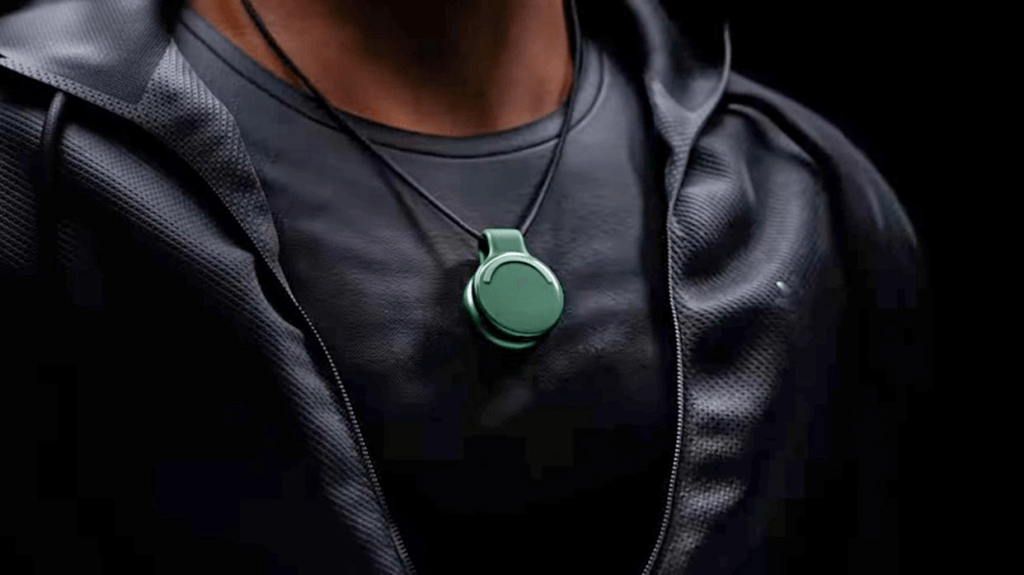
No screens to be seen on the AI wearable Pendant from Limitless (source: limitless.ai).
I think we’re past the stage of slapping a touchscreen on something and calling it smart — aka the Samsung treatment — and I couldn’t be happier about it. I expect to see far more screenless or glanceable devices in 2026. I want more things providing the right information at the right time, and not trying to steal away your attention.
I hope to see the phone dissolve further. I hate how much I use my phone and have uninstalled virtually all apps, but I still get sucked into browsing the web mindlessly. I love my Nintendo Switch and my Boox Palma e-reader. They do one thing really well. I want more things like that.
We’ll be walking the floor at CES this week, and I brought a handheld counter to track how many times I see the word “AI.” I’m worried about it, but hopeful as well. CES is divided into two main groups: scrappy startups yelling into the void trying to get attention and massive companies showing off their latest tech. I love the startups because they need to innovate to survive. The odds are against them, and they’re hungry and willing to do whatever it takes. They have the cool ideas, are ahead of the curve, and show me the future of our industry. We’ll see these trends impact the big companies a few years down the road, and they’ll take all the credit. But we know that the beating heart of our industry lies in the chaotic halls of Eureka Park. Find me there, and we can swap war stories. Even better, come hang with us at the Punk Rock Museum on Tuesday night!
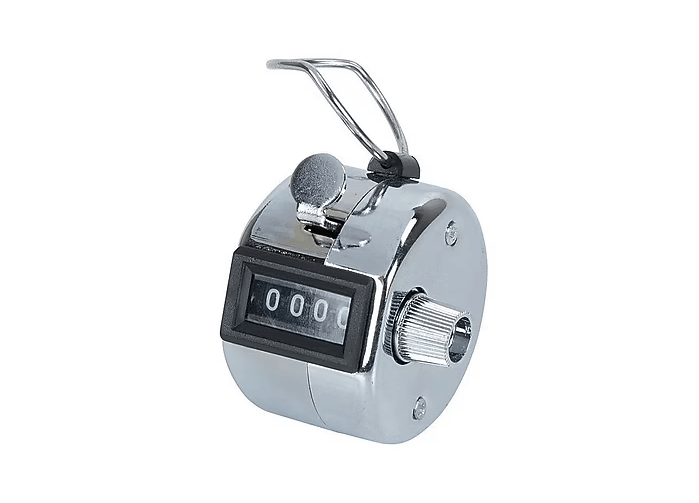
If you see a weirdo at CES with one of these, it’s me. Come say hi! (source: staples.com)
Lastly, I hope to see the uncertainties around trade wars simmer down. Regardless of the politics, the reality is that most of the stuff you buy comes from China at the end of the day. It may be assembled in Malaysia or Taiwan or Vietnam, but many of these parts still come from China. America can’t manufacture the tech products you buy off Amazon at the cost and quality you’re used to, and it’ll take more than four years to fix that. It’s not political, it’s just the reality of how each country has changed over the last 50 or so years. America creates innovative products, but China manufactures them. This partnership has been mutually beneficial, and I hope both countries recognize this and continue to work together in the future. I hope to see more domestic manufacturing take off, but I’ve also seen firsthand how difficult it is to make it happen. Prove me wrong, please!
Happy 2026!
informal is a freelance collective for the most talented independent professionals in hardware and hardtech. Whether you’re looking for a single contractor, a full-time employee, or an entire team of professionals to work on everything from product development to go-to-market, informal has the perfect collection of people for the job.