Are you femtech curious?

As someone working with hardware, you’re perhaps a person who enjoys being curious or solving a puzzle, diving into a tough design brief and exploring territories. You’re in for a treat! Femtech — technology, products, and services designed to improve women’s health — is an entire domain that is full of complex challenges and nearly endless opportunities. Half of the global population has health needs that have been largely under-researched, underfunded, and under-engineered for centuries, and hardware designers are stepping up and addressing the complex challenges in this space with innovative solutions.
Femtech might sound like it’s just about tracking periods, but the hardware in this space is pushing boundaries in applications and novel use of sensors and actuators. To boot, the “global women’s health market size was estimated at USD 49.33 billion in 2024 and is projected to reach USD 68.53 billion by 2030,” according to GrandView Research.
But more important than the market numbers is the potential. According to McKinsey and the World Economic Forum, closing the women’s health gap could unlock over a trillion dollars of value every year by 2040. That’s the kind of number usually attached to energy revolutions or planetary-scale infrastructure. And yet, most engineers have never been asked: How would you design for women’s health?
Women’s health spans many areas including menstrual health, fertility, (peri-)menopause and healthy aging, pelvic health and rehabilitation, sexual wellness, and chronic pain and autoimmune disorders disproportionately affecting women.
Innovation for the first time in 185 years
Every adult woman who has visited a gynecologist has encountered a speculum, that weird duck bill-shaped metal device to view the cervix. It was invented in the 1840s and hadn’t significantly changed design in 185 years until 2023 when Nella launched a temperature-neutral, quieter, narrower version. Two years later, in 2025, engineers at TU Delft introduced Lilium, a prototype inspired by flower petals that opens gently and quietly.
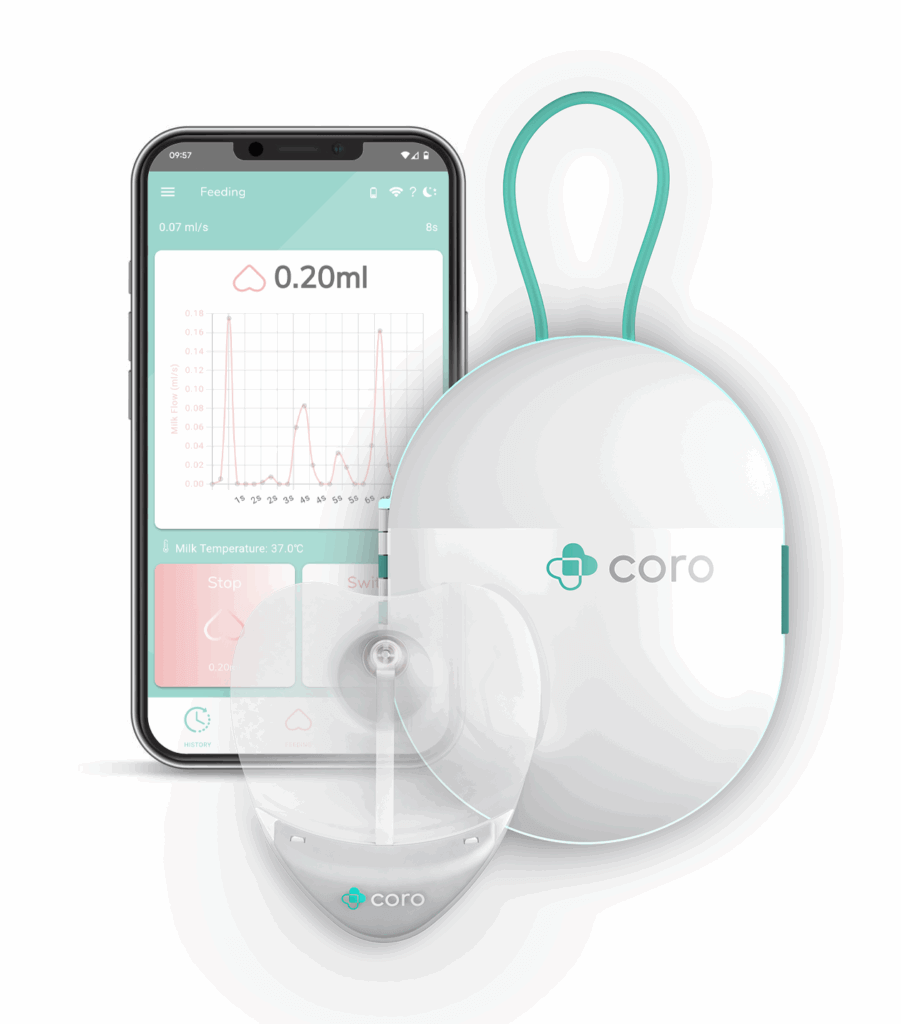
Also, consider breastfeeding. For decades, parents have been told to rely on intuition when asked a seemingly simple question: How much milk is my baby drinking? That changed only recently, when Coroflo developed the Coro, a smart nipple shield with an embedded flow sensor. At first glance, it looks like a standard silicone shield, but inside is a precision flow measurement system, capable of accurately detecting fluid passing through a flexible, curved medium. (Read more).
Finally, we have the extremely common case of vaginal infections, which are one of the most common reasons women seek medical care, and yet treatment has long relied almost exclusively on antibiotics or antifungals. In 2025, Copenhagen-based startup UVISA entered clinical trials with a light-therapy device designed to treat these infections without drugs. It’s a tightly engineered phototherapy system: tuned wavelengths and dose calibration, all in a form factor that has to be rechargeable, safe for mucosal tissue, and discreet enough for home use.

UVISA Founders – CEO Ella Harris and Chief Scientific Officer Sonal Pendharkar Kulkarni
Each of these stories tells the same truth: Women’s health has been stuck with tools and solutions that engineers could’ve improved decades ago. Only now are those improvements beginning to surface because we’re beginning to break the taboo of speaking about women’s health. And these, and many femtech devices can change the state of women’s health research. By providing data points for things that have been severely under-researched, companies are leading the way in scientific advancement of women’s health. An example of this is Coroflow, who is partnering with breastfeeding researchers to advance knowledge around infant feeding.
Why the gap?
Women’s health has been systemically deprioritized. Until 1993, women were often excluded from U.S. federally funded clinical trials unless there was a special justification. Even today, they make up less than half of participants in many major disease studies. Funding reflects the same neglect: Only about 5% of global R&D budgets go to women’s health, and just a fraction of that looks beyond cancer. The result is a “data desert” where devices are designed for male bodies and female-specific conditions are overlooked. Add in cultural stigmas around the female reproductive system, where historically we haven’t been able to discuss menstruation, (in)fertility, menopause, endometriosis, and many other female-specific conditions, and it’s no wonder we’re not innovating in this area.
Designing for meaningful smart products
This is where I come in. My background is in design and technology, with a PhD in Designing for Meaningfulness in Future Smart Products. In practice, that means I don’t just ask: What does this device do? I ask: How does it fit into someone’s life, their identity, and their sense of purpose? And does it bring them a sense of comfort, dignity, or control?
I’m currently writing a book called Designing Femtech, where I’m interviewing founders, engineers, investors, and researchers to uncover what it really takes to design better hardware for women’s health. One of the most rewarding parts of this process is hearing firsthand about the technical and human challenges that startups face, and how they overcome them. Two examples from my book are Embr Labs and HyIvy Health.
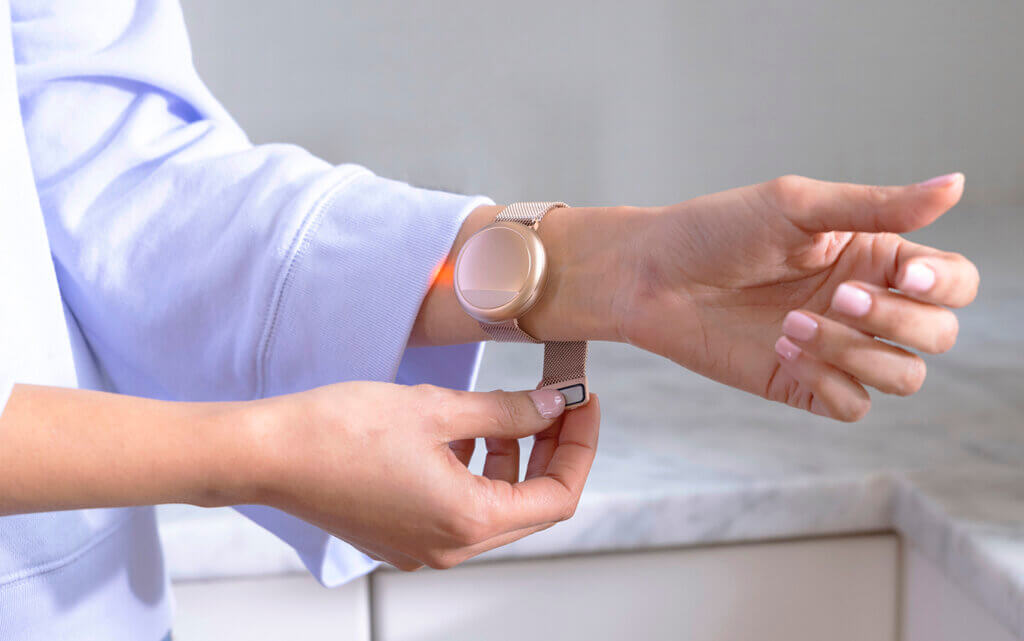
Embr Labs is the company behind the Wave 2, a wrist-worn thermal wearable originally designed to help women manage hot flashes during menopause. At first glance, it’s “just” a Peltier element on a strap. But making a wearable that can safely heat and cool the skin on demand is an elegant problem in applied physics: You need perceptible thermal shifts without burns, rapid ramp-up without noise, and hours of use on a coin-cell-sized battery.
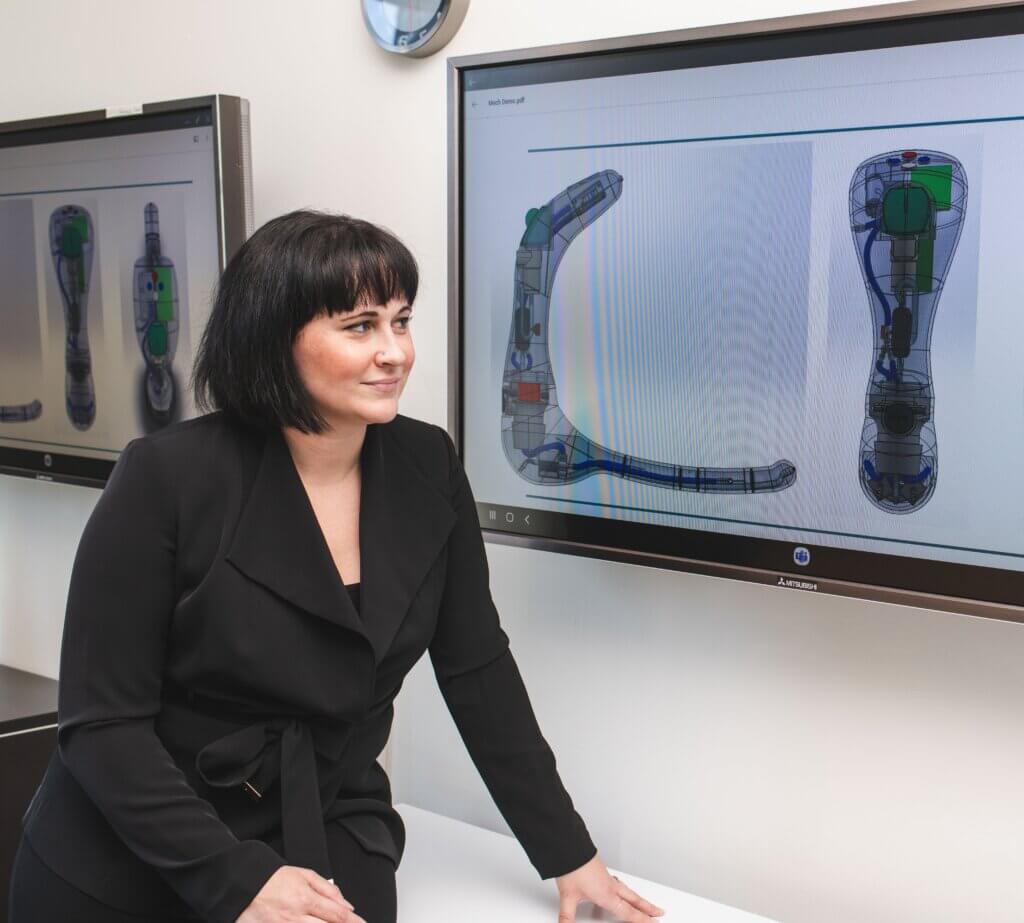
HyIvy Health is a Canadian startup building a smart pelvic health rehabilitation device for women recovering from cervical cancer, endometriosis, or chronic pelvic pain. Their prototype integrates multiple sensing modalities: pressure and temperature alongside active thermal control and customizable therapy programs. And it’ll help treat or prevent conditions that most people have never thought about, like vaginal stenosis (fusing) due to pelvic radiotherapy treatment, conditions that drastically affect people’s quality of life.
Getting involved
So how do you get started if you’re femtech curious? I myself have cofounded the Nordic Women’s Health Hub and Femtech Studios. I write articles at TechTruster, and I love femtech communities such as Women of Wearables, or industry newsletters like Femtech Insider and FutureFemHealth.
If you want to bring me on for advisory work through informal, hit the button below!
Collaboration is essential. The most successful femtech products are born when engineers partner with OB-GYNs, physiotherapists, or even anthropologists to ground the work in lived experience. Which is why hubs like the Nordic Women’s Health Hub, or any of the global hubs at Femtech Across Borders are so vital.
A call to curiosity
Femtech isn’t a charity. It isn’t a side hustle. And it’s definitely not niche. It’s one of the biggest under-engineered domains in healthcare, and it’s waiting for people with the skills to transform it.
That’s why I’m writing Designing Femtech: to document the lessons, the pitfalls, and the breakthroughs from those already in the trenches, and to give engineers and designers a playbook for making tech that truly matters.
So the question isn’t whether the opportunity is real. It’s whether you’re ready to look at it differently. Are you femtech curious?
informal is a freelance collective for the most talented independent professionals in hardware and hardtech. Whether you’re looking for a single contractor, a full-time employee, or an entire team of professionals to work on everything from product development to go-to-market, informal has the perfect collection of people for the job.