Creating a new hardware product? Read this first.
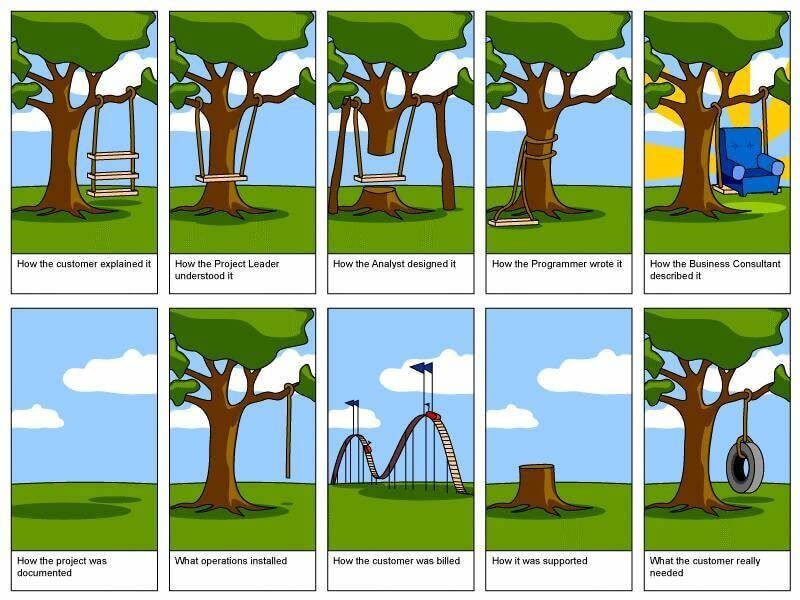 Anyone who’s worked in hardware development for any amount of time knows there are a million ways for the project to go sideways. Maybe the scope was fuzzy to begin with, then the schedule slips, development gets rushed, and you end up with the sunk-cost prototype that nobody wants to ax. Maybe you picked the wrong supplier or manufacturing partner. Whatever the flavor of derailment, the more you work with the full lifecycle of idea to end product, the more you see what to look for and what to watch out for.
This is a topic we love to write about at informal, and we’ve amassed quite a library of pointers to help you, gleaned from years of experience in helping folks bring their ideas to market. We’ll be the first to admit that there’s a lot of valuable content on our blog, and it can be overwhelming, especially if you’re new here.
For today’s post, we created a roundup of 11 previous posts that highlight how projects can go off the rails, and how to prevent it. We broke it down into four main categories: scoping, scheduling, prototypes and parts, and pitfalls. There’s a snippet from each post to give you insight into what it covers, as well as a link to dive deeper into each. Hope it helps!
Scope this way
Why hardware (scoping) is hard
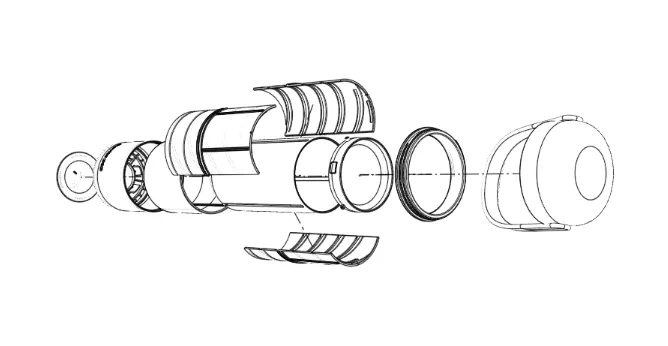
Sam Holland writes, “Whether you’re familiar with the hardware world or not, starting a new project as a client can be daunting. Often, one of the first questions I get asked is ‘How much will this cost?’ This is quickly followed by ‘How long will this take?’ And my answer is always ‘It depends.’ Today, I’m breaking down why it’s difficult to scope and quote a hardware project, and how informal is working to make these estimates accurate.”

Spooky tales of scope creep
“Let’s talk about one of the scariest concepts of all in the world of hardware development: scope creep! Put simply, scope creep happens when the requirements of a project exceed what was initially agreed upon. It can be something small like adding a status LED to your circuit board or adding a footer to a website, or it can be a massive change like choosing a new manufacturing method or microcontroller to use at the last minute. If left unchecked, scope creep can cause team member burnout, increase the cost to develop and manufacture your product, and blow up project timelines.”
Slow your roll

Speed kills (in hardware development)
“If you ain’t first, you’re last is a famous quote from the phenomenal film Talladega Nights, but it also highlights a common mentality we see from first-time founders and especially folks with a background in software development. Time to market seems to be the only thing that’s important to many folks — and that approach can kill companies quickly.”
The pitfalls of rushed development with mixed frameworks

“A piece of hardware, such as a custom board, can have one set of design input requirements (DIRs) to meet many customer use cases when it’s part of a bigger system. For example, temperature control between 4°C and 40°C is a DIR. Controlling temperature at setpoint, changing setpoints, and shifting setpoints manually or with automation are use cases that empower the user. The problem is that software DIRs don’t capture these use cases very well. Siloing software development into projects based on DIRs forces software engineers (SWEs) to narrow their planning.”
Lower risk and cost using a slower path to launching your product

“There’s more than one way to get a hardware product to market. If you’ve got VC money to burn and a team of engineers in-house, you can move fast and break things (and sometimes entire supply chains). But what if you’re playing it lean? Maybe you’re bootstrapped, or just testing an idea before doubling down. Here’s a slower, steadier, less expensive route we’ve seen work. It’s lower risk, gives you real signals before you invest heavily, and still gets you to a shippable product — eventually.”
Three ways to build a hardware schedule

“So you’re in the early stages of planning your hardware project. You ask the team, ‘How long is this going to take?’ They fire back with ‘How soon do you need it?’ and you’re caught in a circular conversation. A good schedule is essential for budgeting, planning, judging progress, and keeping everyone coordinated. The problem, as that circular conversation illustrates, is that it’s often hard to tell whether the schedule is wrong, or if the team is underperforming or getting sidetracked.”
Prototypes and parts
The sunk-cost fallacy of prototypes
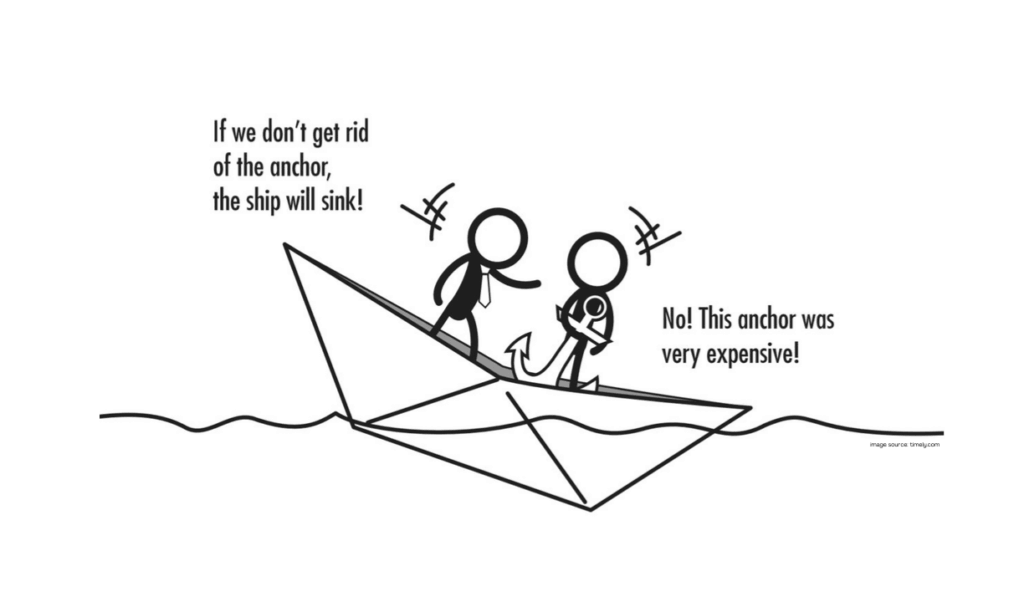
“Put simply, the sunk-cost fallacy is the idea that people refuse to stop doing something because they’ve already invested time and effort into it. It’s a dangerous mindset and impacts everything from relationships to learning instruments. I see it often when speaking with hardware founders, and it’s a great way to cripple your product.”
(Part) breakups are tough
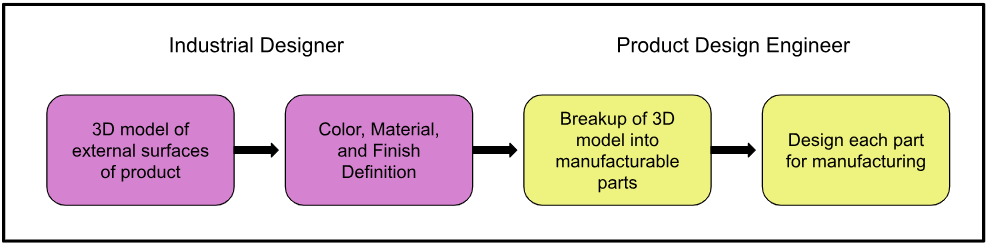
“Product design is all about defining requirements and finding the optimal solution that makes the least number of stakeholders angry. There rarely is one right solution to a problem, and it’s always worth trying various part breakup exercises to see how each option compares to the others.”
Red flags, risks, and pitfalls

Manage product development risks using sling-and-stone engineering
Dan Juda writes, “We’re all familiar with the tale of David and Goliath. David uses courage and resourcefulness to take down Goliath with a simple sling and stone. Behold the much nerdier saga of how I developed a new framework for prioritization after wasting time creating a complex engineering test rig (nicknamed Goliath), only to have it rendered obsolete by a literal stone.
The 4 red flags to look out for in a hardware development partner

“Selecting a good hardware development partner can be crucial to the success of your project and company. The number of times a client comes to us after having a bad experience with another firm or agency is more frequent than anyone would like.”
Hardware startup pitfalls to avoid
“Why do some hardware startups succeed while others fail? The reasons are many but those who’ve worked in the industry for years recognize the patterns and common pitfalls. Mechanical engineer and hardware development expert Sera Evcimen is not only incredibly passionate about designing and building physical products, she’s dedicated to helping startups scale their systems and companies. At Hackaday Europe in Berlin, she presented a deep dive on hardware startup pitfalls, drawing from her extensive knowledge and experience to look at why some hardware startups fail.”
Creating a new product? Need help? We’re here for you!
informal is a freelance collective for the most talented independent professionals in hardware and hardtech. Whether you’re looking for a single contractor, a full-time employee, or an entire team of professionals to work on everything from product development to go-to-market, informal has the perfect collection of people for the job.